TL;DR:
If an insurance adjuster calls you after an accident, especially the other driver’s insurer, you don’t have to give a recorded statement or answer questions about fault right away.
Politely decline, take down their information, and talk to a Virginia personal injury attorney.
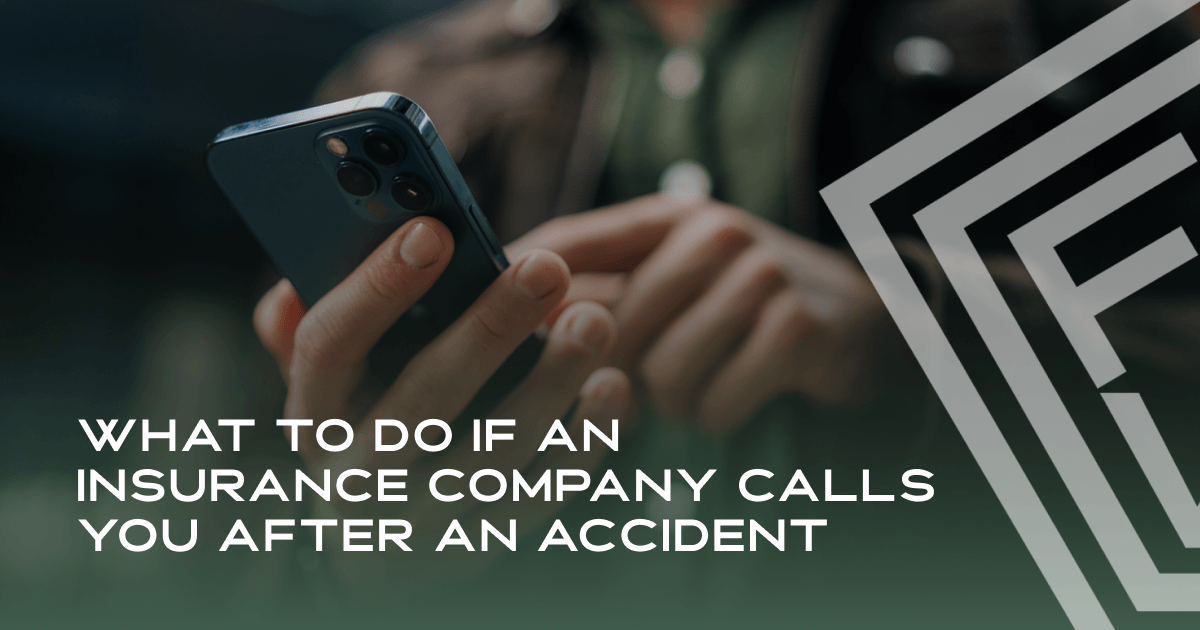
Your phone rings a day or two after a car crash you were involved in. It’s an unfamiliar number, and the person on the other end is friendly, even sympathetic. They say they just want to “get your side of the story” and “wrap things up quickly.” That call can feel like a relief when everything else about the accident has felt chaotic.
That call is the start of the insurance company’s investigation, and its purpose is to limit what it has to pay you, not to help you.
Why Is the Insurance Company Calling So Soon?
Insurance companies move quickly after an accident for a simple reason. The earlier they reach you, the less time you’ve had to see a doctor, talk to a lawyer, or fully understand your injuries. An early call lets the adjuster lock in a statement while you’re still shaken, medicated, sore, or simply relieved to be alive. Anything you say in that moment, including an offhand “I’m fine” or “it happened so fast,” can end up in the claim file and used against you later.
Adjusters are trained negotiators whose job includes minimizing what the company pays out. That doesn’t make them bad people, it makes them the other side, even when they sound warm and understanding on the phone.
Do I Have to Talk to the Other Driver’s Insurance Company?
No. You have no legal obligation to give a recorded statement to the at-fault driver’s insurance company, and in most situations you shouldn’t. You can simply say you’re not comfortable discussing the details right now and that they’re welcome to follow up with your attorney. Write down the caller’s name, the company, the claim number, and the date and time of the call, then end it there.
Your own insurance company is a different story. Most policies require you to cooperate with your insurer’s investigation, including reporting the accident and answering reasonable questions. Even then, you can keep your answers factual and brief (what happened, where, and when) without speculating about fault, injuries you haven’t been fully evaluated for, or details you’re unsure about.
Why a Recorded Statement Can Hurt Your Personal Injury Claim
Adjusters often ask to record the call “for accuracy.” What they’re really doing is preserving a version of events they can point to later, sentence by sentence, if your claim doesn’t match it. A recorded statement taken before you’ve seen a doctor can misstate your injuries. One taken before you’ve reviewed the police report can misstate how the accident happened. Once it’s recorded, it’s very hard to walk back.
This matters even more in Virginia than in most other states. Virginia is one of only a handful of jurisdictions that still follows pure contributory negligence, a rule that can bar you from recovering anything at all if you’re found even one percent at fault for the accident. An adjuster who gets you to say something like “I might not have seen him in time” or “I was going a little fast” isn’t just gathering information. They may be building a contributory negligence defense that could end your claim entirely. That’s why FFV Law treats these early conversations with real caution, and why we encourage clients to let us handle them.
What Should I Say If an Adjuster Calls Me?
You don’t need a script, and you don’t need to be rude. A calm, brief response protects you without burning any bridges.
Something like this works well: “I appreciate you reaching out. I’m still getting checked out medically and I’d rather not go into detail yet. You can send anything in writing, or reach out to my attorney once I have one.”
Then, you can let the conversation end.
If the adjuster pushes for a recorded statement, a settlement number, or a signed medical release, that’s your cue to slow down even further. Early settlement offers are often calculated using the least amount of information the company has on hand, which usually means the least amount of money that still might get you to say yes. A wide medical release can let the insurer dig through your entire medical history looking for anything (even unrelated) to argue your injuries existed before the crash.
Steps to Take Before and After That First Call
- Get medical care first, even if you feel okay. Some injuries, particularly concussions and soft tissue injuries, take a day or more to show symptoms.
- Write down what you remember about the accident while it’s fresh, including road conditions, traffic signals, and anything the other driver said.
- Decline recorded statements to the other driver’s insurance company until you’ve talked to an attorney.
- Keep your own insurer informed of the basic facts, but avoid guessing about fault or injury severity.
- Don’t sign a medical authorization or accept a settlement offer without having it reviewed first.
- Save every piece of correspondence: voicemails, emails, letters, and the adjuster’s contact information.
When Should I Call a Lawyer About an Insurance Adjuster’s Call?
The honest answer is before you call the adjuster back, not after. A conversation with a Virginia personal injury attorney costs you nothing at the consultation stage, and it can prevent mistakes that are difficult or impossible to undo once you’ve made them. If you’ve already given a statement and you’re worried about what you said, that’s still worth a call. There may be ways to clarify the record or manage the claim going forward, but the sooner we’re involved, the more options we usually have.
At Friedman Fisher Verity, we handle these calls so you don’t have to. Our attorneys step in as your point of contact with every insurance company involved, whether that’s the other driver’s insurer, your own, or both.
We know how Virginia’s contributory negligence rule gets used against injured people, and we build your case with that reality in mind from day one, not after the damage is done.
If you’re in Richmond or anywhere in the Commonwealth of Virginia and an insurance company has already started calling, you don’t have to figure this out on your own. We’re ready to listen, and we offer clarity, compassion, and credibility when you need it most.
Reach out to Friedman Fisher Verity for a free, no-obligation consultation, and let us handle the adjusters while you focus on getting better.
—
This article is for general informational purposes and does not constitute legal advice. Every case is different, and past results do not guarantee future outcomes. For guidance specific to your situation, consult licensed Virginia legal representatives like Friedman Fisher Verity.
FAQ
Do I have to give a recorded statement to the other driver's insurance company?
No. You’re not legally required to give a recorded statement to the at-fault driver’s insurer. You can decline politely and refer them to your attorney once you have one.
Will talking to an insurance adjuster hurt my claim in Virginia?
It can. Virginia follows a pure contributory negligence rule, meaning if you’re found even one percent at fault, you may be barred from recovering anything. Adjusters sometimes use early phone calls to get statements that suggest shared fault.
What should I do if I already gave a statement to the insurance company?
Call an attorney as soon as possible. There may still be ways to clarify the record or protect your claim, but the sooner you get help, the more options you’ll have.
Should I accept an early settlement offer from the insurance company?
It’s rarely a good idea. Early offers are usually calculated before your injuries and losses are fully known, and once you accept, you typically can’t go back for more later.
Do I need to cooperate with my own insurance company after an accident?
Yes, most policies require it. Stick to factual, basic details about the accident and avoid speculating about fault or the extent of your injuries until you’ve been fully evaluated.